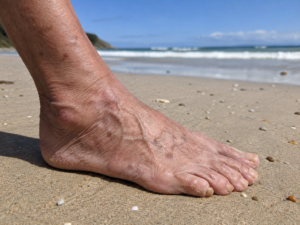
As summer hits, we dust off those sandals, ditch the socks and notice our feet have started to look a little different than they used to. Maybe we can’t even see our feet very well these days. We possibly can’t even reach them despite our best MacGyver moves. Feet are the foundation of our mobility and require specific care as they age. Balance in motion believes prevention is the best medicine, so let’s reveal the top 3 issues that can worsen without proper attention.
NERUOPATHY
The dreadful feeling of electric shock, vibration, tingling, and painful numbness. That reason you look at your feet when you walk, can’t sleep, and beg for relief of any kind. Often related to diabetes but also experienced due to several non-diabetic causes.
Prevention: There is not yet a cure for neuropathy, however, there are factors you can control that reduces symptoms and severity.
Treatment options:
- Balance training, ankle pumps, foot, and toe exercises will increase blood flow to your feet, thus reducing pain. Balance in Motion coaches are prepared to modify exercises to respect damaged nerves that cause pain during exercise.
- Frankincense and myrrh oils/lotions are suggested to relieve burning, tingling, and shooting pains.
- Limit exposures to toxins like alcohol, heavy metals, plastics, and even some medications which can damage peripheral nerves.
- Avoid stressors and sugar spikes that can increase cortisol and inflammation responses.
- Wear proper footwear for the weather as cold temperatures can cause blood vessel constriction, which slows blood flow and may intensify pain.
- Anticonvulsant medications are often used to alter your body’s sense of pain. Discuss medication options with your doctor as well as symptoms being related to side effects from medications you are currently taking.
ULCERS AND PRESSURE WOUNDS
You don’t have to have a diagnosis of diabetes to benefit from the advice and products designed to protect feet that are susceptible to diabetic conditions.
Prevention: A good skin check routine is recommended for feet of all conditions!
- INSPECT the skin between your toes, around the nail bed, the bottom of your foot and behind your heel. What if we can’t reach our feet anymore? Use a mirror! You can find flexible long handled mirrors on amazon.com, use a mirror on the wall to sit next to, or ask for help to take a digital picture to see areas you can’t get close enough to inspect thoroughly. If you have discomfort that you cannot see, call your podiatrist or doctor immediately. If you are diabetic, waiting is a risk you don’t want to take as it may result in infection, wound vacs, and in severe cases, amputations.
- CLEAN and COZY makes feet happy. Invest in long handled sponges or a silicone scrubber mat that suctions to the bottom of the shower, (under $10 on amazon). Consider having a seat in the shower to allow sitting to reach feet safely. Moisturize your feet to prevent cracking and dryness. Wear white or light colored socks in order to see any scabs, blood, or discharge that may be present and not noticed with dark colored socks. Diabetic socks aren’t just for diabetics! They promote blood flow, have moisture wicking properties, and don’t have a tight band at top which makes them a great choice for any feet.
- DRY feet prevent infection. Excess moisture is a breeding ground for fungal skin and nail infections and odor causing bacteria. Change socks frequently due to excess sweat or moisture around your feet, and ensure to dry feet thoroughly before donning socks and shoes. If reaching your feet is difficult, use talc-free powders for absorption of moisture.
- REPOSITION OFTEN to avoid prolonged pressure on the heels or sides of feet.
Did you know a pressure wound can start in as little as 2 hours? This is because compromised circulation or continued compression to one area leads to decreased nutrients and oxygen carried to the skin. If you sleep on your back often without pressure relief to the heels, they may start to feel soft and mushy. If you experience this, notify your doctor immediately as this signals trapped fluid and the beginning of a pressure ulcer. Placing a towel roll or small pillow under your calf will transfer pressure to the calf and offload the heals while laying down. Do NOT ever place pillows directly under your heels, as this increases pressure which can further decrease circulation and cause tissue death.
Treatment options: If you currently have an ulcer or wound your doctor may refer you to a podiatrist, wound care clinic, or infectious disease physician.
BUNIONS
Despite popular belief that bunions are a skin condition, bunions are actually the shifting of the bones in the foot, causing pain and decreased mobility in your toes. In severe cases, the toes will even start to cross over one another, creating the risk for skin ulcers and infection.
Prevention: Avoid tight fitting shoes and socks. Yes, socks with tight fitting fabric at the toes can also create pressure that encourages the shift and promotes further pain. Select shoes that have a wider toe box and stretch to the fabric of the shoe.
Treatment options:
- Exercise. Specific exercises for our foot and toes can help reduce shifting and even restore function.
- Anti-inflammatory medications. Ask your doctor if adding medications to your exercise routine would benefit you.
- Bracing. Discuss brace or orthotic use with a health care professional before starting a routine as this can temporarily increase pain and compromise skin integrity. Finding the appropriate fit and wear time is crucial. Speak with your Balance in Motion specialist if you plan to initiate a brace of any kind.
- Surgery. If walking and exercise are limited due to pain from bunions, speak with your podiatrist regarding the risks and benefits of surgical correction.
Balance in Motion specialists treat the entire person, feet included! Let’s create a preventative routine together to keep that power in your stride and pep in your step!